Grease Contamination
Customer: Hunter Valley Coal Mine
Date: May 2005
Contact: Maintenance Engineer
Report By: Mark Drayton
1.0 Situation
Over the course of several months, site maintenance personnel observed that lubrication system components were failing at a rate higher then what would normally be expected.
Typically, grease injectors were being changed out at a rate of 2 or 3 per month. A preliminary GOSS Engineering inspection determined that the frequency of failure had increased and injectors were now being changed weekly. On inspection the injectors were found to have dirt and metallic particles trapped with in the seal and slide valve area of the internal components.
Grease pumps were also found to be failing after a very short period of operation as a result of contamination.
Contamination also promoted an intermittent failure of the system vent valve, which was preventing the needle and seat valve from sealing.
The effect on plant reliability was significant. On average 6 hours per week had been lost in operational time and an additional 12 man hours had been lost managing the situation.
2.0 Analysis
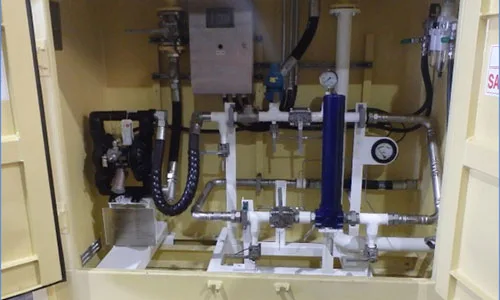
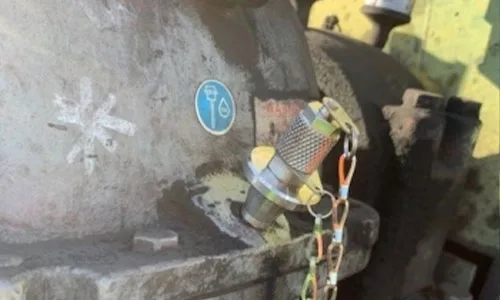
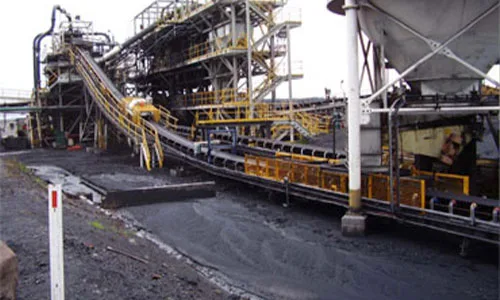
In an effort to better understand the nature and extent of grease contamination that was adversely influencing operations at the site, GOSS Engineering technicians fitted high-pressure grease filters to the following items of mining plant and equipment:
Grease filters were fitted to the centralised lubrication system pump on each item thus enabling technicians to filter debris, over the two week trial period, as it passed from the pump prior to entering the vent valve.
The filter element used is of wedge wire construction and is rated at 150 micron. The element has a safe working pressure of 6000psi or 41370 kPa.
Accumulated debris was solvent washed from the grease collected on the element surface. Magnets were then used to separate ferrous material from the collected debris.
3.0 Findings
3.1 Element
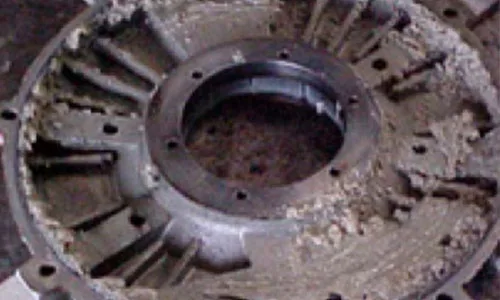
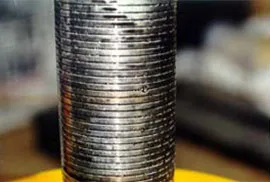
Figure 1 highlights obvious signs of debris imbedded into the element.
3.2 Contamination
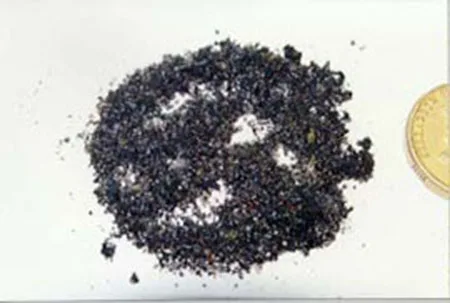
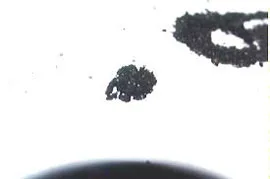
Debris removed from the filter element at the completion of the trial confirmed that injector failure most probably was due to the unnecessary ingress of abrasive particles. The debris featured in Figure 2 was collected from the filter element.
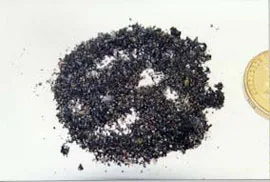
The fibrous materials consisted of wood fibre and paint chips derived from the interior lining of the on-site grease storage drums.
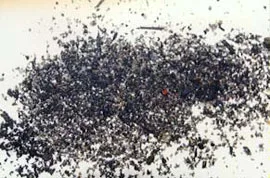
Accumulated debris was assessed to contain long fibrous particles as displayed in Figure 3 and ferrous materials which are displayed in Figure 4.
4.0 Recommendations
Injector failure promoted through the accumulation of unnecessary levels of contaminants will lead to inappropriate levels of lubrication that could result in catastrophic, spontaneous failures that will adversely impact on the operation and availability of mining plant and equipment at the site.
GOSS Engineering recommends the immediate implementation of the following specific initiatives:

Revolutionary
Power Transfer
A world-changing industrial technology that saves energy, reduces operation & maintenance costs and improves system reliability.
Other Case Studies